
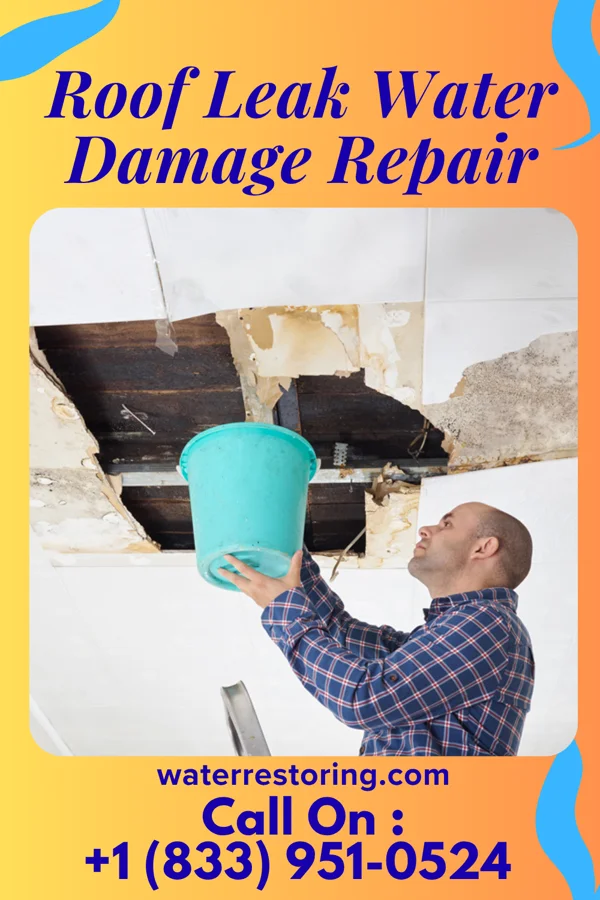
Why Roof Leaks Hit Ball Club Hard
The pattern in Ball Club is consistent. Ball Club, Minnesota experiences frequent spring and summer thunderstorms that can lead to sudden heavy rainfall, increasing the risk of roof leaks. The region also sees strong winds during these storms, which can damage roofing materials and create entry points for water infiltration. Additionally, snowmelt in the spring can cause prolonged moisture exposure, leading to gradual roof degradation. drives most of the emergency restoration calls we get. A close second is Ball Club is prone to sudden temperature fluctuations, especially during the transition between seasons. These changes can cause roofing materials to expand and contract, creating gaps that allow water to seep in. Winter storms with freezing rain can also lead to ice dams, which divert water under shingles and cause leaks..
Ball Club's climate, characterized by cold winters and warm, humid summers, contributes to roof damage through freeze-thaw cycles and moisture accumulation. These conditions can weaken roofing materials over time, making leaks more likely and harder to repair.
Ball Club's climate, characterized by cold winters and warm, humid summers, contributes to roof damage through freeze-thaw cycles and moisture accumulation. These conditions can weaken roofing materials over time, making leaks more likely and harder to repair. The dominant local driver is Ball Club, Minnesota experiences frequent spring and summer thunderstorms that can lead to sudden heavy rainfall, increasing the risk of roof leaks. The region also sees strong winds during these storms, which can damage roofing materials and create entry points for water infiltration. Additionally, snowmelt in the spring can cause prolonged moisture exposure, leading to gradual roof degradation., with Ball Club is prone to sudden temperature fluctuations, especially during the transition between seasons. These changes can cause roofing materials to expand and contract, creating gaps that allow water to seep in. Winter storms with freezing rain can also lead to ice dams, which divert water under shingles and cause leaks. showing up as the next most common cause. Damage builds in stages. Spread. Absorption. Microbial growth. Structural compromise. Every stage you pass through adds to the final bill.